Structure Cabling System Series
By: Jerome Auza
A company setting up a wired network should carefully choose the type and quality of the network cables used. Unfortunately, there are a lot of fake network cables sold in computer supply shops and hardware stores. One should be careful when purchasing network cables.
There are several types of cables that may be used. For small networks, usually the unshielded twisted pair or UTP of the type Cat5e is used. Cat5e is a name of the standards defining the performance characteristics of the cable which is capable of 1000mbps speed. For larger networks or for high speed requirements up to 10gbps, the Cat6 standard is used. In environments where electrical or electromagnetic interference is unavoidable, the shielded twisted pair (STP) is used.
When buying network cables, make sure to purchase them from suppliers that sell only original products. There are many fake network cables sold and possibly the owners of the stores are not aware that these are fake products.
Inspect the copper wires within the plastic cover of the cable. These wires should feel thick and firm not not flimsy. The fake cables use thinner and lower grade materials that are easy to tear apart. You can tell if the wires are too thin if the wires inside doesn’t seem to fit snugly inside the plastic cover.
I took pictures of fake or incorrect cables that may be sold in local stores in Bohol and compare them with an original cable. Figure 1 is an original cable. There should be 4 twisted pairs inside the Cat5e cable with the following colors: brown, blue, green and orange. Each twisted pair consists of a wire with full color insulation and another wire with insulation that is white and lined with the same color. The wires are firm and should not be flimsy. The cover should not easily tear apart. Most Cat5e cables would also contain a very thin but strong string that when pulled down to tear the cover.

Figure 1. An original cable with 4 twisted pairs. The wires are firm and a thin string is included in the wire and can be used to break open the cover as it is very hard to tear without tools.
Figure 2 is an obviously fake cable. The four pairs of wires are not twisted, are thin and flimsy and some wires are of the wrong colors. The cover could be torn apart easily using fingernails.
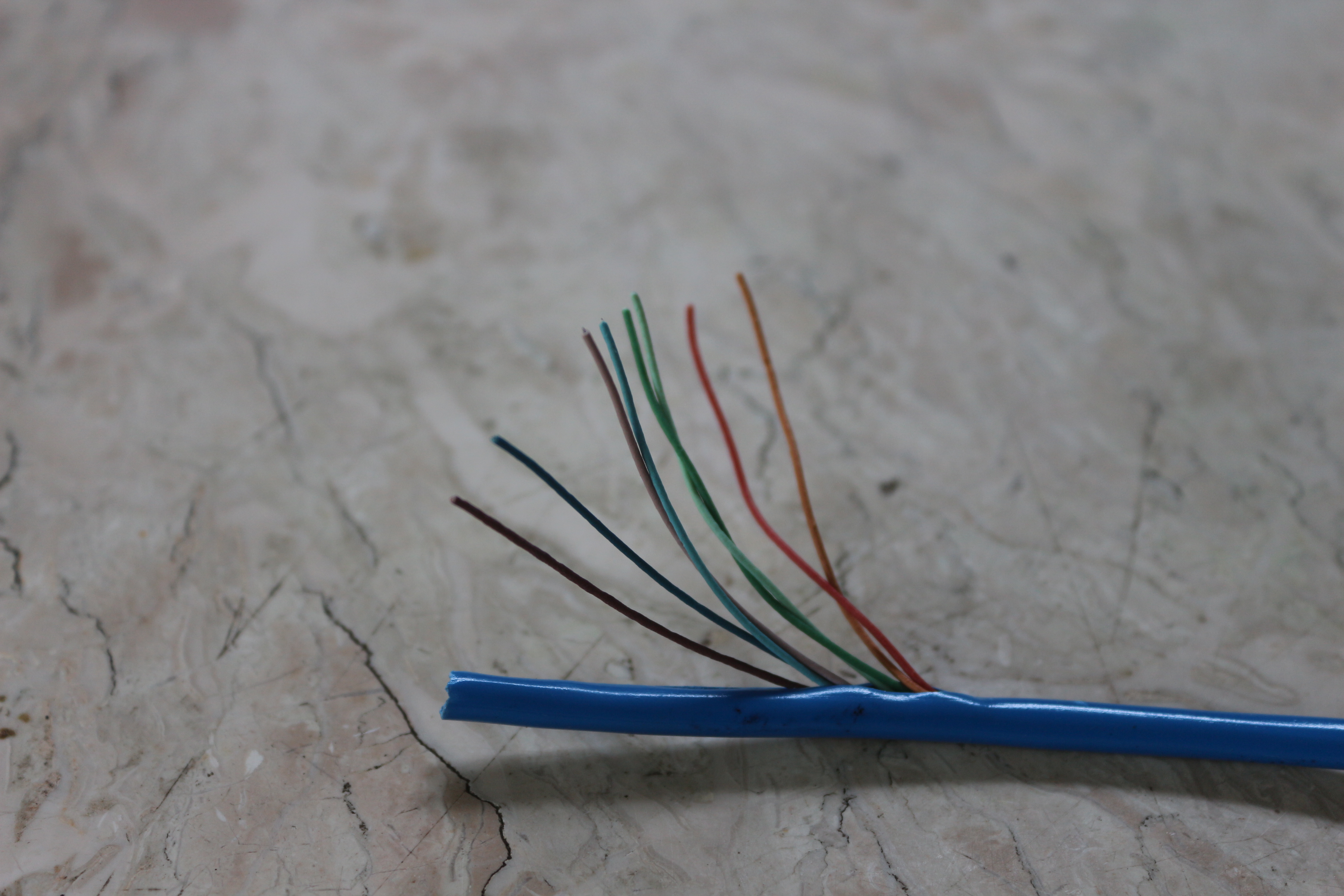
Figure 2. Fake cable sold as Cat5e. The wires are not twisted pairs and also are easy to break. The cover of the cable is easy to tear apart.
Figure 3 seems to be of the right type of wire but there are only two pairs. While this wire can work because only two pairs are required for a 100mbps network, this cable will not work for applications requiring power over ethernet or POE. Also, it will not work for gigabit networks because 1000mbps requires the four pairs to work reliably.
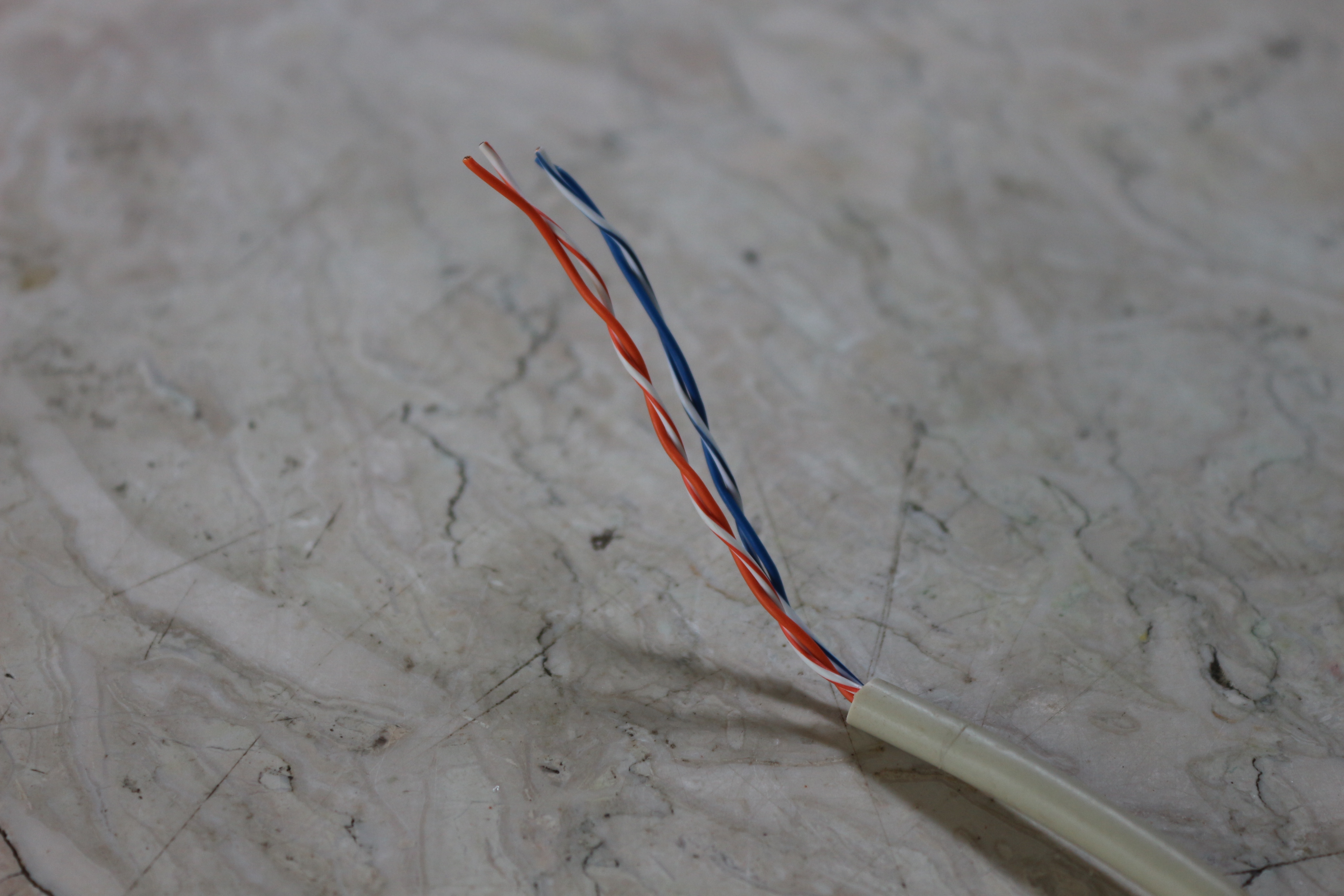
Figure 3. This cable looks correct with the wires twisted in pairs. However, there should be 4 twisted pairs or 8 wires within the cable.