By: Jerome Auza
As a Linux enthusiast, I had tried to encourage people to use Linux for the very obvious cost benefits. Unfortunately, Microsoft Windows has been embedded in many computer user’s habits that most wouldn’t even think of looking at a Linux desktop because it is “hard” or “difficult”. Of course, hard or difficult is relevant to your willingness to try new things.
Encouraging the use of Linux was a matter of principle for me because there is a proliferation of improperly licensed Microsoft software and by using Linux instead, one can avoid engaging in software piracy.
I had a personal challenge since some of the jobs I perform require me to use the Microsoft Windows operating system. So I ended up using a MS Windows laptop as my primary computer then when doing software development or system administration of our remote Linux servers, I use an ssh client to connect. For a few years, I was on a desktop environment that wasn’t my preference.

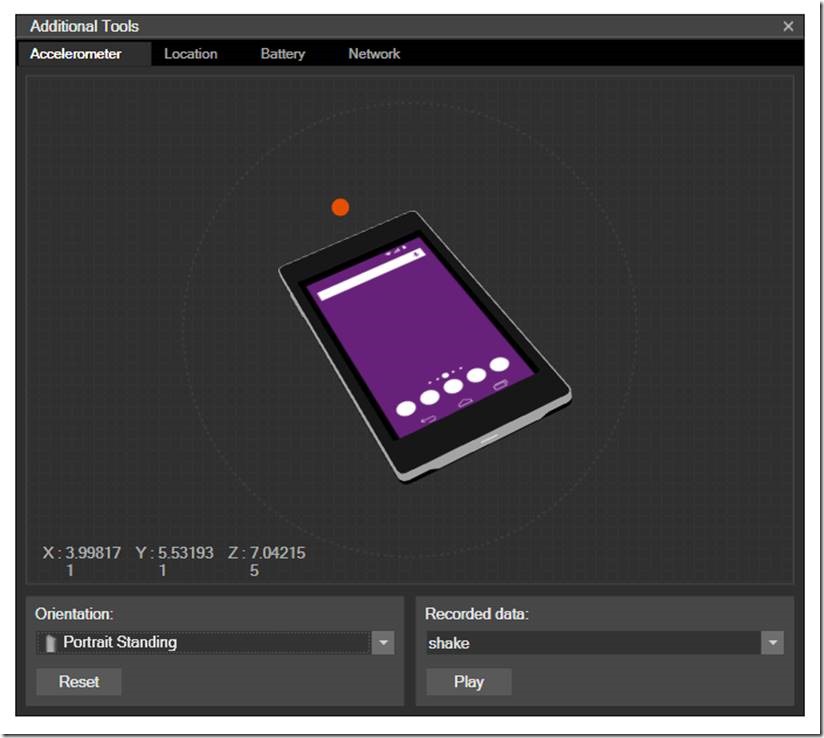
Android emulator on Windows.
Then here comes Android on mobile devices. If you didn’t know yet, Android is using the Linux operating system. My wish from a decade ago that people should be using Linux has come true. People embraced Android on mobile phones and tablets. Android has become so popular that Microsoft changed its stance towards open source software (of course Apple’s iOS and MacOS X also played a part).
Microsoft recently announced that it has made its .Net software open source and will have support for .Net on Linux very soon. This is a welcome development for many Microsoft .Net developers who may now be able to support more options for the end-user environment.
On top of the .Net software being open sourced, Microsoft also released an Android emulator on Windows which is intended to support developers creating apps on the Android platform but are using the Microsoft development tools.
Microsoft has changed its attitude towards software. It now wants users to be able to use its software no matter what operating system is preferred by the user. While it remains to be seen how the whole thing plays out for Microsoft, I think the company made the right decision to embrace the open source community. It also made itself operating system agnostic which means they can continue to sell their software like the MS Office Productivity Suite no matter what device the user wants to use.
Oh, by the way, I am now using a Mac laptop most of the time. I find it closer to Linux rather than Windows. After all these years, I realize that we should no longer play the Windows vs. Linux vs. MacOS game. The right thing to do now is to be flexible and work on any operating system and device available. And I think Microsoft wants to do that also.